

Managing in-home therapy operations can be a complex task, especially when it comes to scheduling. Therapy scheduling software for home health can streamline this process, but knowing how to use it effectively is crucial. In this article, we’ll explore expert tips and best practices to maximize the efficiency of your scheduling software, ensuring that your operations run smoothly.
Understanding the Importance of Scheduling Software

Scheduling software is not just a luxury; it’s a necessity for home health providers. The right **therapy scheduling software for home health** helps manage multiple therapists, track patient appointments, and ensure compliance with regulations. It eliminates the chaos of paper schedules and manual entry, reducing errors and enhancing productivity.
Moreover, this software allows for real-time updates and communication, which is essential when dealing with a mobile workforce. For therapists on the go, having access to their schedules via mobile apps ensures that they can stay organized, even when they are in the field. This adaptability can lead to improved patient interactions and heightened satisfaction.
Best Practices for Effective Scheduling
To get the most out of your therapy scheduling software for home health, consider the following best practices:
1. Utilize Automated Features
Take advantage of automated reminders and notifications to keep both therapists and patients informed about upcoming appointments. For instance, sending automated SMS reminders can reduce no-shows significantly and help maintain a steady appointment flow.
2. Centralize Information
Ensure that all relevant data—therapist qualifications, patient preferences, visit histories—are centralized within the software. This enables efficient matching of therapists to patients based on skills and availability. For example, if a patient requires specialized therapy, the software can quickly identify the best-suited therapist.
3. Regularly Train Your Team
Conduct regular training sessions to familiarize your staff with new features and updates in the software. This will help them utilize the system more effectively and confidently. A well-trained team is crucial for maximizing the software’s potential.
4. Integrate Feedback Loops
Set up systems for therapists to provide feedback on the scheduling process. This can highlight areas for improvement and ensure that the software is meeting the needs of your team.
Maximizing Mobile Functionality
In-home therapy requires flexibility, which mobile functionality can provide. Many modern **therapy scheduling software for home health** platforms come with mobile applications that allow therapists to access schedules, confirm appointments, and even update patient notes on the go.
Encourage your therapists to utilize these mobile features. Not only can they receive real-time updates, but they can also manage their schedules more effectively, leading to better time management and improved patient care. For instance, a therapist can quickly adjust their schedule if an appointment is canceled, freeing up time for additional visits.
Tracking Compliance and Credentialing
Compliance is critical in the healthcare industry. Utilize your scheduling software to track therapist credentials and ensure they are up to date. Many platforms offer built-in compliance tracking features that alert you when certifications are about to expire. This proactive approach helps prevent any lapses that could lead to legal issues or disruptions in service.
Additionally, maintaining detailed records of therapist qualifications within the software simplifies the credentialing process and ensures that you always have the necessary documentation at your fingertips. For example, if a regulatory audit occurs, having instant access to compliance records can save significant time and stress.
Data Analytics for Continuous Improvement

Many therapy scheduling software for home health options come equipped with analytics tools that provide insights into your operations. Use these analytics to track key performance indicators, such as therapist utilization rates, appointment frequency, and patient satisfaction scores. Such metrics enable informed decisions about resource allocation and service improvements.
By evaluating this data regularly, you can identify areas for improvement, optimize schedules, and ultimately enhance the quality of care provided to your patients. For example, if certain therapists are consistently overloaded, consider redistributing their patient load to ensure a more balanced approach. This data-driven strategy can lead to enhanced therapist satisfaction and improved patient outcomes.
Fostering Communication and Collaboration
Effective communication among team members is essential for smooth operations. Leverage your scheduling software to create a platform where therapists can communicate about patient needs, share schedules, and collaborate on care plans.
Encouraging open lines of communication can lead to improved patient outcomes and a more cohesive team environment. Consider setting up regular check-ins or team meetings to discuss scheduling challenges and successes, fostering a culture of collaboration. This collective approach not only strengthens team dynamics but also enhances the overall patient care experience.
Conclusion
In conclusion, utilizing **therapy scheduling software for home health** effectively can significantly enhance your operational efficiency. By following these expert tips and best practices—automating processes, maximizing mobile functionality, ensuring compliance, leveraging data analytics, and fostering communication—you can streamline your scheduling operations and provide better care to your patients. The right system can transform the complexities of in-home therapy into manageable workflows, enabling your team to focus on what truly matters: delivering high-quality care.
Learn More About CliniConnects
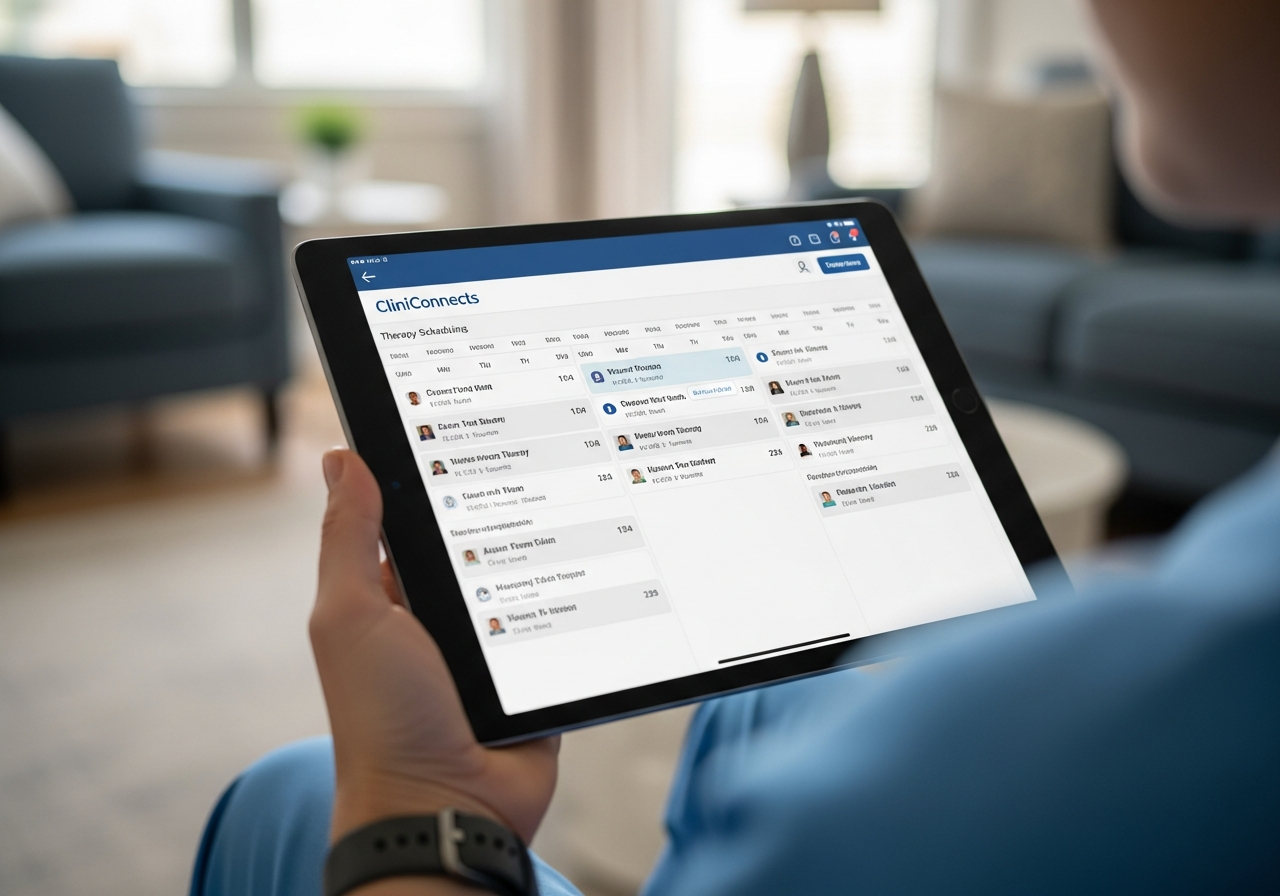
To fully understand how CliniConnects can transform your in-home therapy operations, visit our solutions page and discover how our platform can help you streamline scheduling, enhance compliance, and improve patient outcomes.
Looking to improve therapy scheduling software for home health?
If this topic is relevant to your goals, CliniConnects has related services and resources that can help you move forward.
Solutions if you are ready to talk with CliniConnects, or Scheduling & Matching to explore the next best step.