


In the world of in-home health care, managing operations efficiently is crucial. Home health care providers face a unique set of challenges that can impede their ability to deliver quality care. This blog post explores the transformative impact of therapy scheduling software for home health through a detailed case study. We’ll dive into how one company harnessed this technology to solve pressing operational challenges and enhance patient care.
Understanding the Challenges in Home Health Care

Home health care providers often contend with numerous operational hurdles that complicate the delivery of efficient and effective services. These challenges include:
1. Disorganized Scheduling
Managing multiple therapists across various locations can lead to chaotic schedules and missed appointments, significantly impacting patient care.
2. Manual Coordination
Relying on spreadsheets and phone calls increases the risk of errors and miscommunication, making it difficult to maintain clarity in scheduling and patient assignments.
3. Credential Tracking
Ensuring that therapists meet the necessary qualifications is crucial; however, tracking licenses and certifications manually can be labor-intensive and error-prone.
4. Billing Complexity
With variable pricing models and diverse service offerings, billing can become a cumbersome task if not managed properly, leading to delayed payments and financial discrepancies.
These issues not only hinder operational efficiency but also affect the quality of patient care, making it essential for home health companies to seek effective solutions.
The Solution: Implementing Therapy Scheduling Software
To address these challenges, a mid-sized in-home therapy company decided to implement a dedicated therapy scheduling software solution. Here’s how the transition unfolded:
1. Streamlining Scheduling Processes
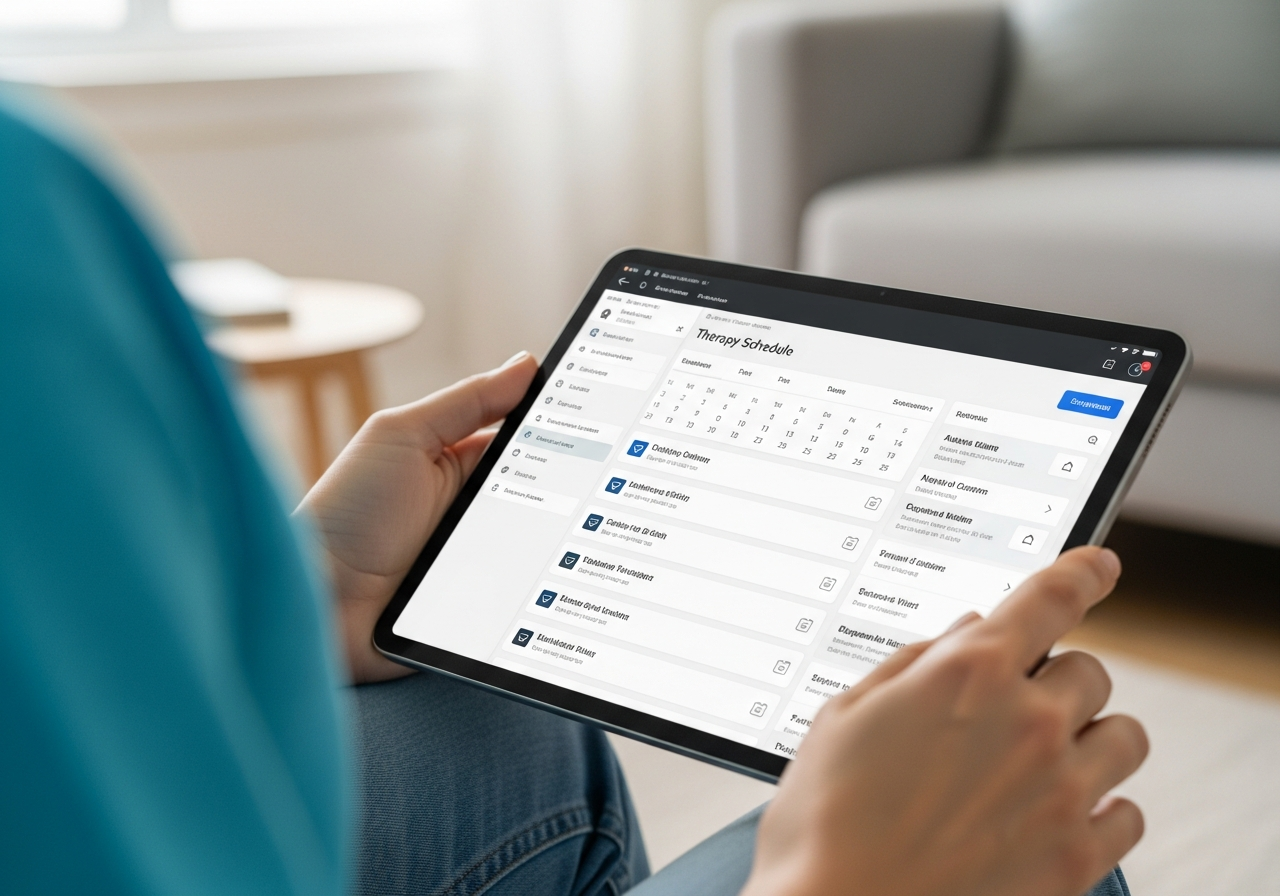
The software enabled real-time scheduling updates, allowing therapists to confirm their appointments instantly. Features like automated reminders and easy rescheduling options significantly reduced missed visits, leading to improved patient satisfaction. For instance, the company observed a 40% reduction in scheduling errors within the first three months of implementation.
2. Automating Therapist Matching
Using advanced algorithms, the software matched patients with therapists based on proximity, specialties, and availability. This automated process not only sped up patient placements but also ensured higher quality care by aligning patient needs with the right professionals. The company noted that the average time to assign a therapist to a new patient dropped from two days to just a few hours.
3. Enhancing Credential Tracking
With built-in credential tracking, the software automatically notified the operations team when licenses and certifications were approaching expiration. This proactive approach minimized compliance risks and ensured that all therapists were fully qualified to provide care. The company reported a 100% compliance rate during audits following the software implementation.
4. Simplifying Billing and Payroll
The software streamlined billing by automatically generating invoices based on service details, which cut down on administrative hours. This not only improved cash flow but also provided better financial visibility across the organization. The finance team could now generate reports in real time, significantly enhancing their ability to monitor and manage finances effectively.
Measuring Success Key Outcomes
After implementing the therapy scheduling software, the company reported significant improvements across several key performance indicators:
Increased Efficiency: The time spent on scheduling and administrative tasks decreased by 40%, allowing staff to focus more on patient interactions and care.
Higher Therapist Utilization: Therapist utilization rates improved by 30%, enabling the company to take on more clients without increasing staffing levels, thereby enhancing revenue potential.
Enhanced Patient Satisfaction: Fewer missed appointments and better communication resulted in a 25% increase in patient satisfaction scores, reflecting the positive impact on the quality of care provided.
Considerations for Other Home Health Companies

For other home health companies contemplating the adoption of similar software solutions, here are a few considerations:
Customization: Choose software that can be tailored to your specific operational needs to ensure it meets the unique requirements of your organization.
Training: Ensure comprehensive training for staff to maximize the software’s functionalities and enhance user adoption rates.
Integration: Look for solutions that can easily integrate with existing systems to maintain operational continuity and reduce disruption during the transition.
Conclusion
This case study clearly illustrates that therapy scheduling software for home health can significantly enhance operational efficiency and patient care quality. By automating scheduling, improving therapist matching, and streamlining billing processes, in-home health providers can focus more on delivering quality care and less on administrative hurdles. As the landscape of home health care continues to evolve, investing in such technologies will be crucial for companies aiming to thrive in a competitive environment.
To Fully Understand How CliniConnects Can Transform Your Operations
Explore our solutions and discover how we can help your in-home therapy company thrive!
Looking to improve therapy scheduling software for home health?
If this topic is relevant to your goals, CliniConnects has related services and resources that can help you move forward. Solutions if you are ready to talk with CliniConnects, or Scheduling & Matching to explore the next best step.
