

In-home therapy operations rarely stay simple for long. As visit volumes grow, coverage areas expand, and therapist availability changes throughout the day, coordinating schedules manually can create delays, gaps, and unnecessary admin work. That is why therapy scheduling software in home health has become increasingly important for in-home therapy companies that need better visibility, faster coordination, and more reliable day-to-day operations.
Why Scheduling Becomes More Difficult Over Time
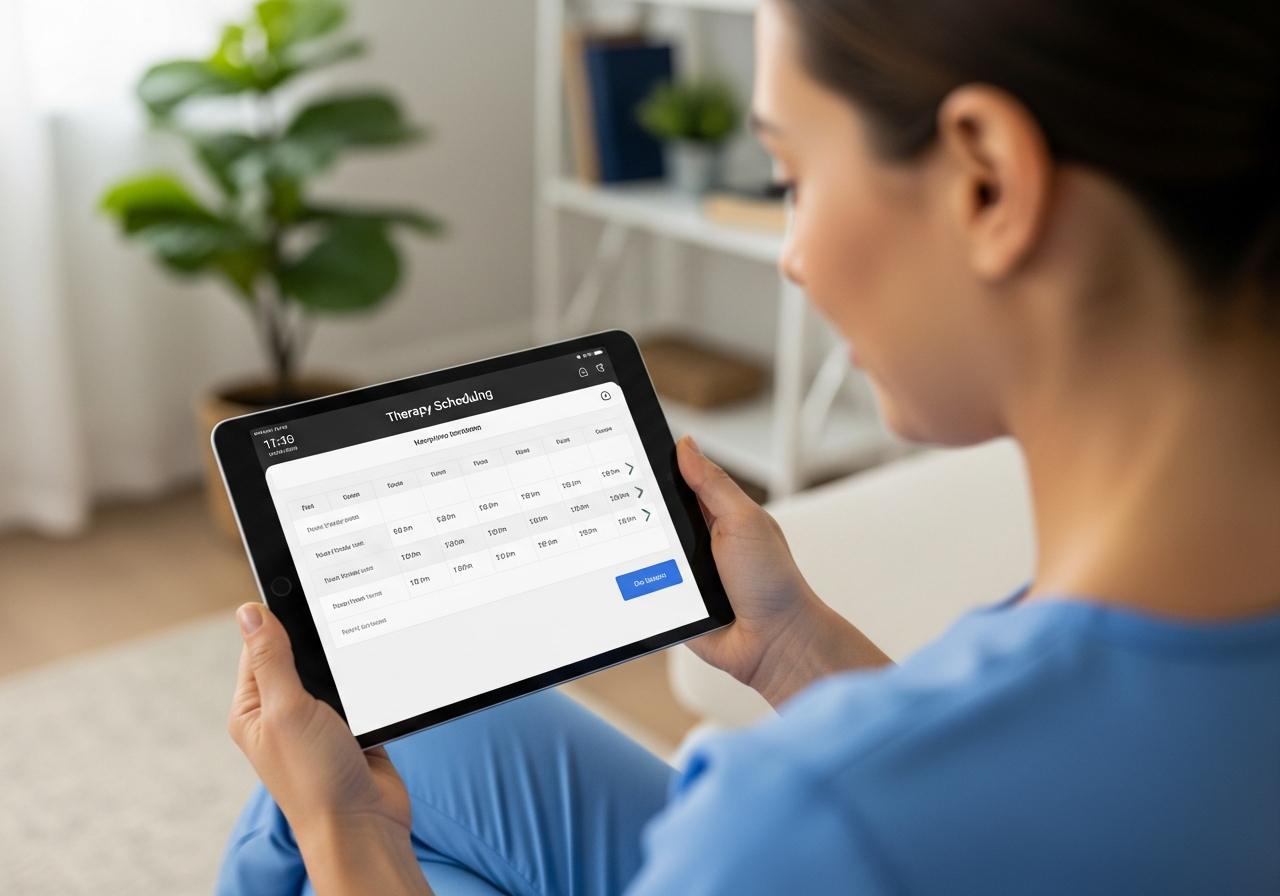
In-home therapy companies work in distributed, mobile environments. Therapists travel across service areas, patient needs change, and schedules often need to be adjusted quickly. What may start as a manageable workflow can gradually turn into spreadsheets, follow-up calls, and last-minute reassignments.
Without the right system, even small scheduling changes can create larger operational disruptions. A delayed response, a missed availability update, or a credential issue can affect the rest of the day’s schedule. This is one reason therapy scheduling software in home health matters so much for growing teams.
Where Manual Coordination Slows Teams Down
Manual scheduling often creates friction in places that are easy to overlook. Coordinators may spend too much time checking coverage areas, confirming clinician availability, tracking credentials, or updating multiple tools at once. Over time, this slows down response times and increases the likelihood of errors.
Effective therapy scheduling software in home health helps reduce that friction by centralizing scheduling activity and making coordination easier to manage. With clearer visibility into therapist availability, visit status, and operational workflows, teams can respond faster and work more efficiently.
What Strong Scheduling Software Should Support
Not all scheduling platforms are built for the realities of in-home therapy. The most useful systems support field-based coordination rather than simple calendar management.
1. Automated Matching and Scheduling
A strong platform should help match patients and therapists based on location, availability, credentials, and service fit. This reduces manual coordination and helps teams assign visits more efficiently.
2. Real-Time Updates and Notifications
Schedules change quickly in mobile care environments. Real-time notifications help keep coordinators and therapists aligned so updates do not get lost in calls, texts, or delayed follow-ups.
3. Credential and Compliance Visibility
Credential tracking should be part of the operational workflow, not handled separately. When teams can quickly verify therapist qualifications and renewal status, scheduling becomes safer and more reliable.
4. Billing and Payroll Alignment
Scheduling does not happen in isolation. It affects billing accuracy, payroll workflows, and overall operational visibility. Better coordination upstream often leads to fewer administrative issues downstream.
5. Mobile Access for Field Teams
Therapists working across multiple locations need access to schedules and updates while in the field. Mobile-friendly scheduling support helps improve responsiveness and keeps everyone working from the same information.
A Practical Approach to Implementation

Adopting therapy scheduling software in home health usually works best when the rollout is operationally focused.
1. Review Current Scheduling Gaps
Start by identifying where delays, bottlenecks, or repeated manual work are happening in your current process.
2. Involve the Teams Using It Daily
Scheduling coordinators, admin teams, and field therapists can provide practical feedback on what the system needs to improve.
3. Test Before Full Rollout
A smaller pilot group can help uncover friction points before wider implementation.
4. Standardize Workflows
Once the platform is in place, align scheduling rules, coordination steps, and communication practices across the team.
5. Continue Refining the Process
Ongoing feedback and performance tracking help ensure the system continues supporting your operational needs as the business grows.
Operational Impact in Practice
For many in-home therapy companies, the value of therapy scheduling software in home health becomes clearer as operations expand. Better scheduling workflows can help reduce cancellations, improve therapist coordination, and support wider service coverage without requiring the same level of manual effort.
That kind of improvement is especially important for organizations trying to grow while maintaining efficiency and consistency across field operations.
Conclusion
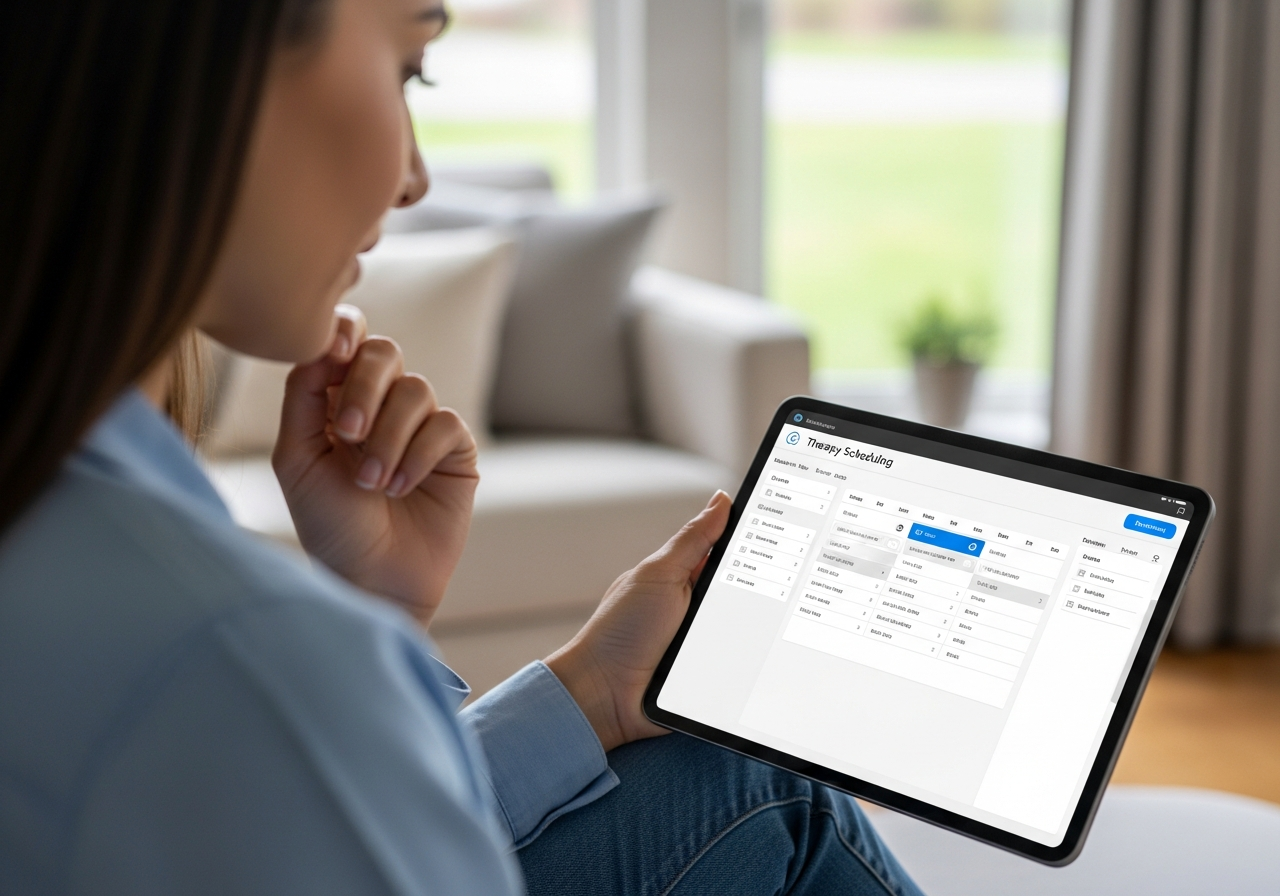
As in-home therapy companies grow, scheduling becomes more than a calendar task. It becomes a core part of operational performance. The right therapy scheduling software in home health can help reduce friction, improve coordination, and support more scalable workflows for distributed care teams.
Learn More
Looking to improve therapy scheduling software in home health?
Explore how CliniConnects supports in-home therapy operations with tools for scheduling, therapist matching, credential visibility, billing support, and operational coordination.